The Island of Endless Life
Despite its small size, Sri Lanka is a biological treasure trove, recognized as one of the world's 36 biodiversity hotspots. The island's geography—ranging from coastal lowlands to misty central highlands—creates a mosaic of climates that support an astonishing variety of life.
The Rainforests: A Genetic Vault
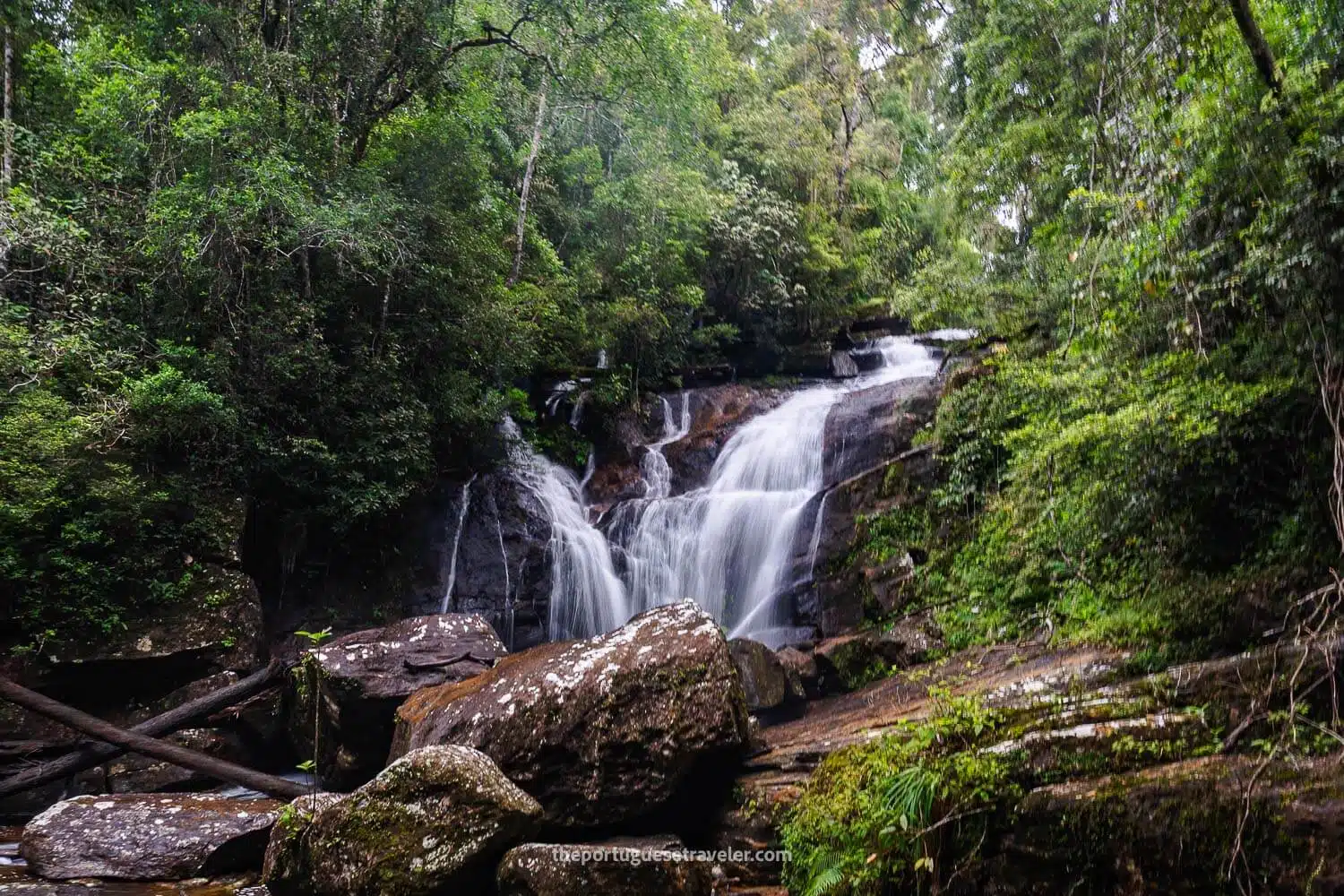
In the wet zone lies the Sinharaja Forest Reserve, a UNESCO World Heritage site. This primary tropical rainforest is an evolutionary laboratory.
- Endemism: More than 60% of the trees are endemic to Sri Lanka.
- Avian Life: It is home to the elusive Blue Magpie and the Red-faced Malkoha.
- Canopy Layers: The dense canopy creates a unique microclimate where amphibians and reptiles thrive in isolation.
The Dry Zone: Giants Roam Here
Transitioning to the dry zone, the landscape opens up into scrub jungles and grasslands (villus). Parks like Yala and Wilpattu offer visibility that rivals the African savannah.
Here, the Sri Lankan Elephant (Elephas maximus maximus) gathers in large herds, and the Sloth Bear scours for termites and Palu fruit. It is a land of extremes, ruled by the monsoon rains.
The Ocean Frontier
Biodiversity extends beyond the shoreline. The deep waters off Mirissa and Trincomalee are the playground of the Blue Whale, the largest animal to ever live. Sperm whales, dolphins, and diverse coral reefs complete this ecological masterpiece.
Preserving the Balance
To witness Sri Lanka's biodiversity is a privilege. It reminds us that we are but one note in a vast, complex symphony of life that requires our protection to keep playing.