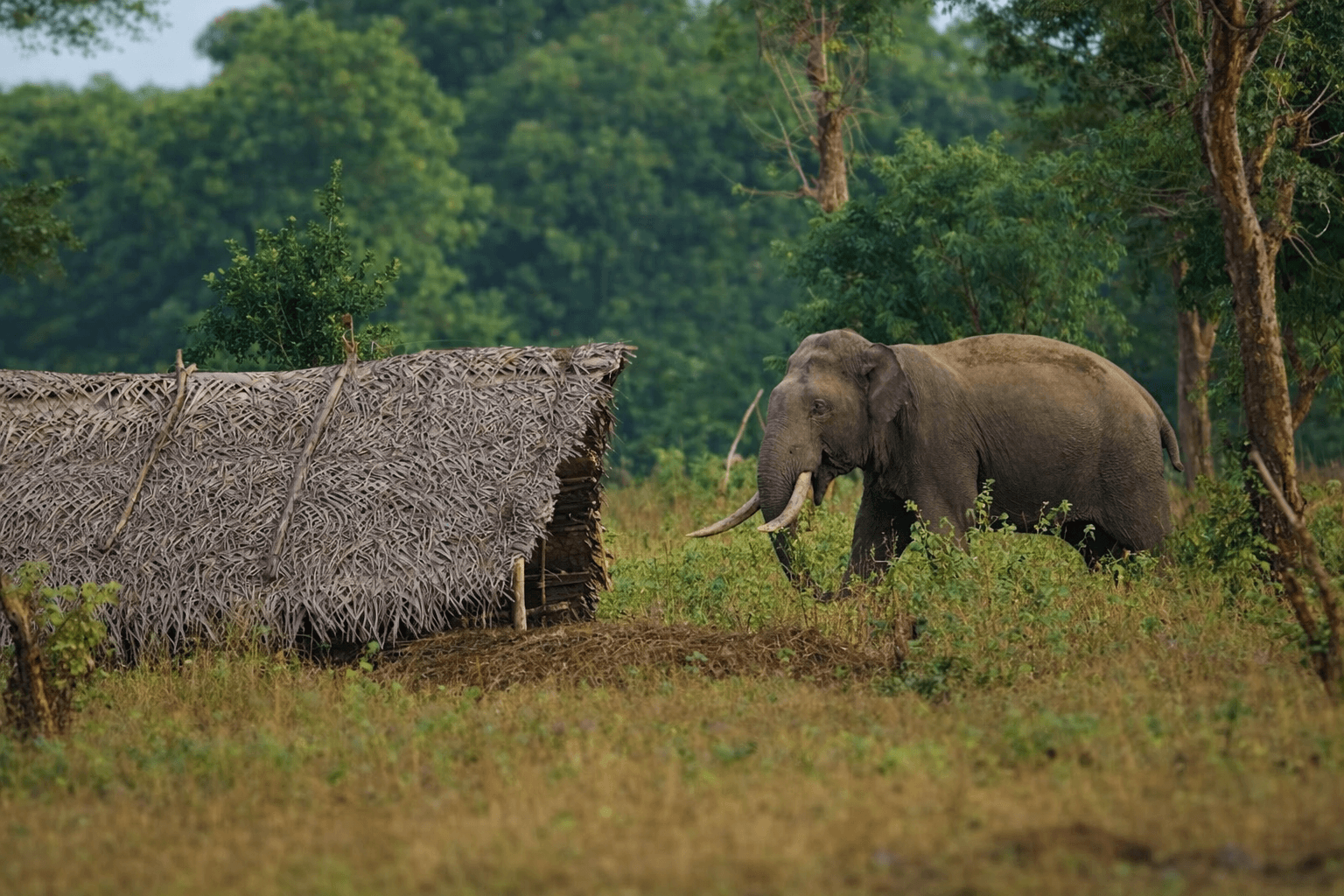
A Landscape Where Lives Overlap
Across Sri Lanka, it’s not uncommon to see elephants grazing near farmland, walking alongside rural roads, or appearing unexpectedly near villages. These moments can feel beautiful — even magical — but they also reveal a deeper issue: the shrinking distance between human spaces and elephant habitats.
This blog explores why these encounters happen, the challenges they create, and how visitors can support peaceful coexistence.
Why Elephants Move Into Human Spaces
Elephants have followed the same natural routes for centuries. These paths once stretched across uninterrupted forests, but today many of them pass through farmlands, settlements, and infrastructure.
As Sri Lanka develops, elephants are left with less space and fewer wild food sources.
- Habitat loss from agriculture and construction
- Fragmented forests that break elephant movement patterns
- Blocked migration paths due to fences, roads, and projects
- Fertile crops that attract elephants seeking easy food
These movements are not random — they’re driven by necessity.
What Happens When Humans and Elephants Meet
Encounters between humans and elephants can be unpredictable. For people living in rural areas, crop damage can mean losing months of income. For elephants, entering human spaces often increases risk of injury or death.
Impacts on communities
- Loss of crops and livelihoods
- Damage to property
- Safety concerns and stress
Impacts on elephants
- Train collisions
- Electrocution
- Injuries from traps or conflict situations
- Increased stress and disrupted behaviour
Steps Toward Coexistence
Sri Lanka has become a global example of the challenges and importance of living alongside wildlife. Many organizations, communities, and experts are working to reduce conflict and protect elephants.
- Elephant corridors that reconnect migration routes
- Community early-warning systems
- Elephant-friendly fencing and safe farming practices
- Conservation research, tracking, and monitoring
- Education programs promoting safe behaviour
These initiatives focus not on separating humans and elephants, but on helping them share space safely.
How Visitors Can Support Positive Change
Tourism has a direct influence on wildlife conservation. Responsible travel choices help protect elephants and support local communities.
- Choose ethical safari operators
- Keep a respectful distance from elephants
- Avoid feeding or approaching wild elephants
- Follow park guidelines
- Support conservation-focused projects and tours
Looking Ahead
Sri Lanka’s elephants are a symbol of strength, history, and natural beauty. As human landscapes expand and wildlife habitats change, the challenge lies in finding balance — a way for both humans and elephants to continue sharing the landscapes they have occupied together for centuries.
By understanding the complexities of the Human–Elephant Conflict, we take the first step toward supporting coexistence and ensuring a safer future for these remarkable animals.